Physiotherapists
HCPC registration, clinic room hire, self-referrals, local SEO and getting your first private patients. Read the physiotherapy guide →
The clinical side is what you trained for. Getting found online is a different problem, and it tends to get left until last. These guides cover the practical steps for each discipline: what you need in place before your first private patient, how to set up online, and how people find a private practitioner.
Free to read, nothing gated, no email required.
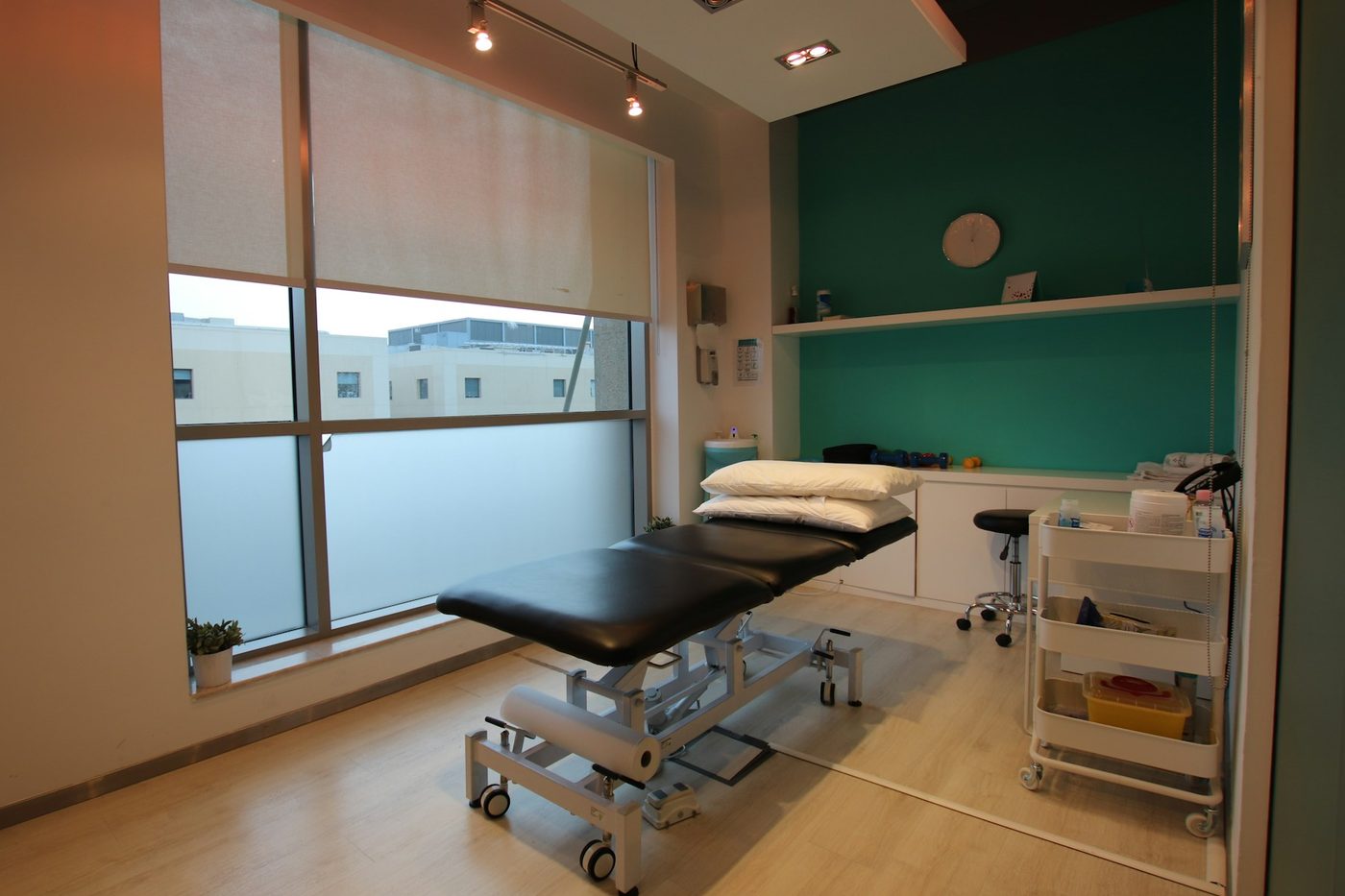
Most practitioners going private focus on the clinical setup first: indemnity insurance, a room, rates. Getting found online waits until later, and later tends to arrive with an empty diary attached.
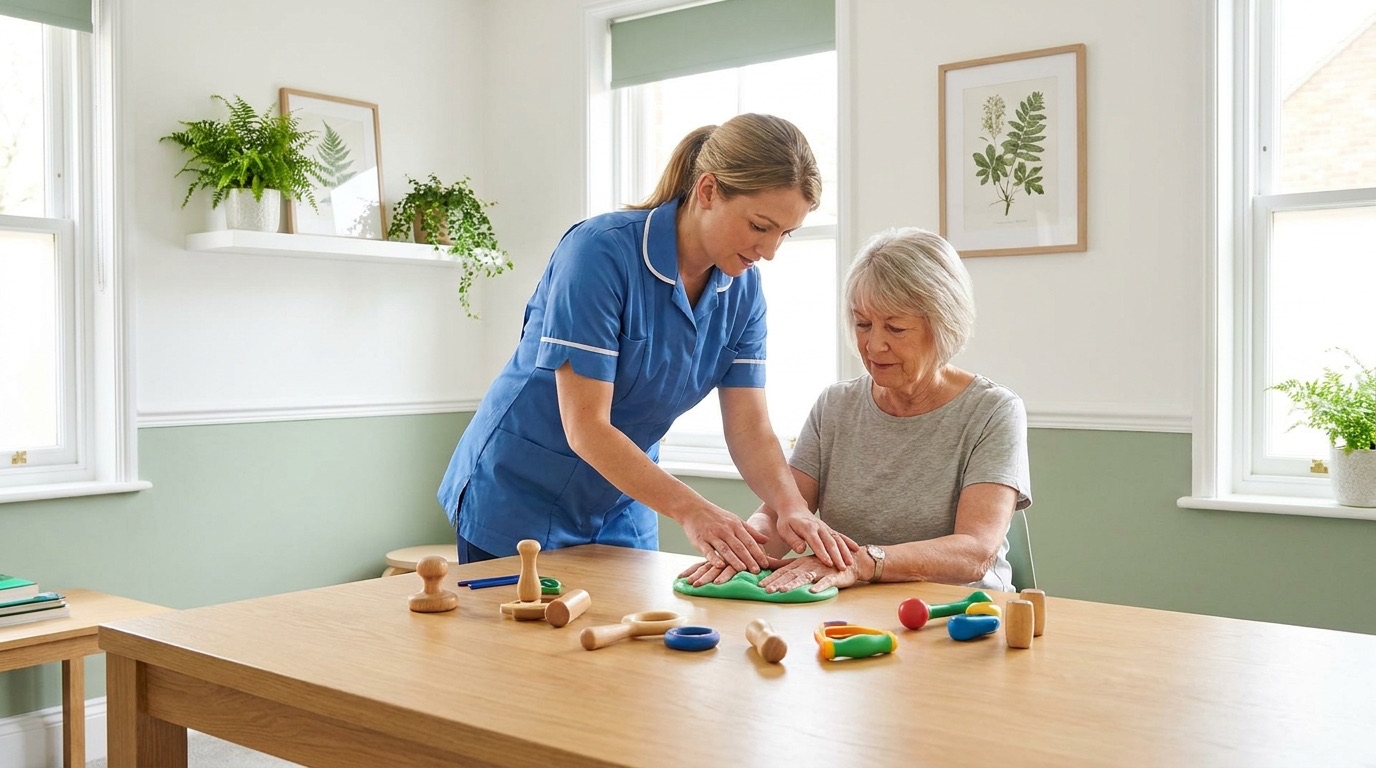
Registration bodies, patient search behaviour and the marketing lines you cannot cross are different in each field. These guides are written per discipline for that reason.
HCPC registration, clinic room hire, self-referrals, local SEO and getting your first private patients. Read the physiotherapy guide →
Waiting list context, paediatric versus adult work, RCSLT directories, EHCP reports and location pages. Read the speech therapy guide →
EHCP reports, autism and ADHD assessment demand, DBS checks and SEND referral routes. Read the OT guide →
HCPC, BACP and UKCP requirements, directory profiles, ethical marketing and the testimonial question. Read the therapy guide →
Protected titles, AfN and HCPC registration, health claims in marketing, and condition-specific search. Read the nutrition guide →
Who can do what, CQC and council licensing, the coming licensing scheme, insurance, premises and the advertising rules. Read the aesthetics guide →
How to go private as a consultant in the UK: NHS contract rules, practising privileges, indemnity, insurer recognition, PHIN fees, billing and referrals. Read the consultants guide →
How to start an osteopathy practice in the UK: GOsC registration and CPD, insurance, the iO, rooms, rates, CQC, ASA rules, your website and a 30-day plan. Read the osteopathy guide →
How to start a chiropractic practice in the UK: GCC registration, insurance, associations, rooms, rates, X-ray rules, CQC, ASA claims and getting found. Read the chiropractic guide →
How to start a personal training business in the UK: Level 2 and 3, CIMSPA, HMRC, insurance, where to train, pricing, booking and your first 30 days. Read the personal training guide →
How to open a Pilates studio in the UK: training, premises, reformer costs, insurance, booking software, music licences, staff and your first 90 days. Read the Pilates studio guide →
The specifics differ but the shape does not: registration, insurance, a clear website, a Google Business Profile, the right directories, and reviews. Email us and we will point you at what applies to your field.
Plenty of practitioners work through these guides and never speak to us, which is fine and rather the point. If you would rather not build the website yourself, that is one of the things we do, priced as a one-off project rather than a retainer because that is what suits someone starting out.
Whatever stage you are at, a website and a sensible setup are where we usually help first, and we are happy to talk through anything else on a call.
Ask us. It's free, we reply within one working day, and there's no sales call.
Thanks, we'll reply by email within one working day.
Prefer to talk it through? Book a short call, free and with no obligation.
Book a free chatAsk anything about this guide. It's free, we reply within one working day, and there's no sales call.